
When you look at a traditional Rajasthani poshak, you’re not just seeing fabric you’re witnessing a living story woven through generations. Rajasthan, the land of royals, deserts, and colors, has given the world some of the most intricate and expressive textile traditions. And at the heart of these traditions are the prints that adorn every poshak, from a bride’s wedding attire to a dancer’s vibrant costume.
These prints are not merely decorative; they carry history, identity, emotion, and cultural depth. So, what exactly makes Rajasthani poshak prints so unique? Let’s dive into the colorful world of Rajasthan’s textile storytelling.
The Language of Prints: More Than Just Patterns
Every Rajasthani print is like a word in the region’s visual language. These patterns communicate:
-
Community identity
-
Marital status
-
Festive occasions
-
Regional variations
From dots to waves, elephants to flowers, the prints are carefully chosen based on the wearer’s background, the event, and even the season. For instance, a newlywed woman may wear a red Bandhej with yellow dots, while a festive day might call for Leheriya in multiple bright colors.
The Stars of Rajasthani Prints
Let’s take a closer look at the most iconic Rajasthani prints that make poshaks stand out.
1. Bandhej (Bandhani) – The Dot That Speaks Volumes
Perhaps the most recognized Rajasthani print, Bandhej is created through a traditional tie-dye process where parts of the fabric are tightly knotted before dyeing. This forms beautiful dotted patterns, often in concentric circles or motifs like flowers and stars.
-
Colors: Red, yellow, green, maroon
-
Regions known for it: Jodhpur, Sikar, Jaipur, Bikaner
-
Symbolism: Purity, prosperity, and auspiciousness
Bandhej isn’t just pretty—it holds emotional value. Women often receive Bandhej dupattas or odhnis in their bridal trousseau.
2. Leheriya – The Wave That Moves with the Wind
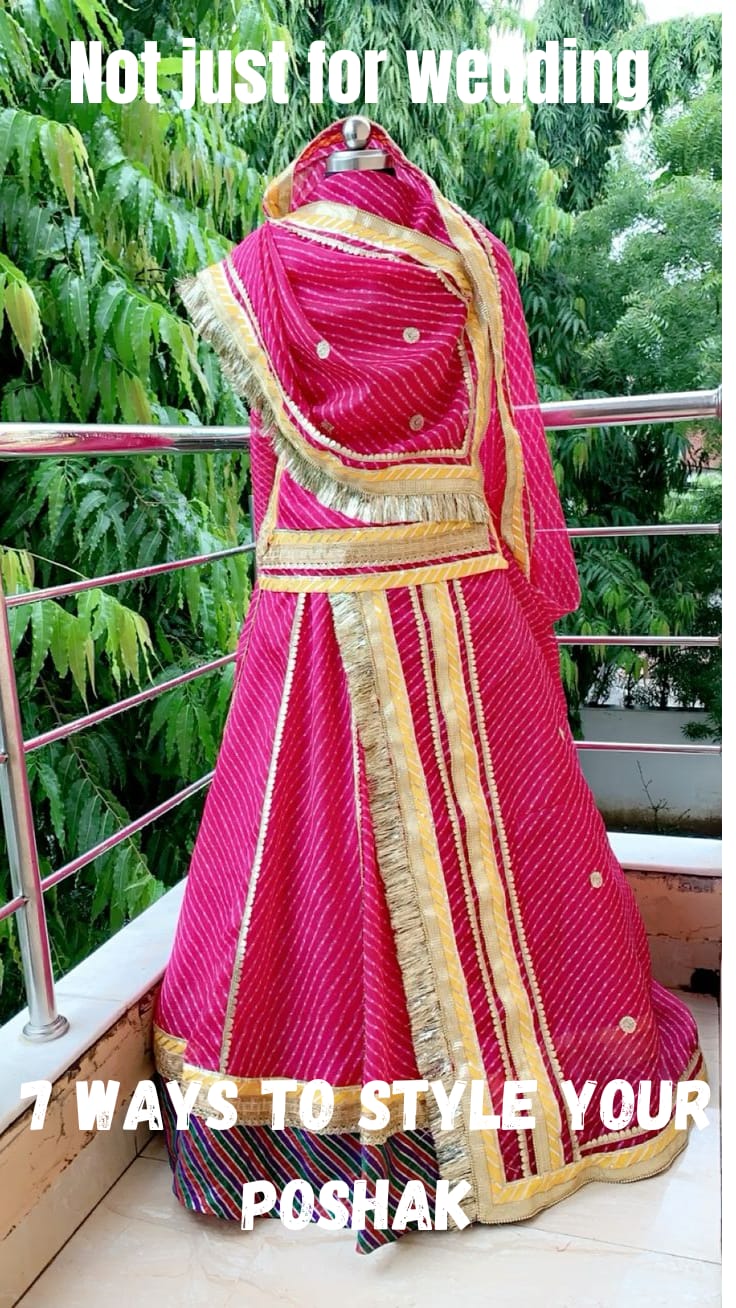
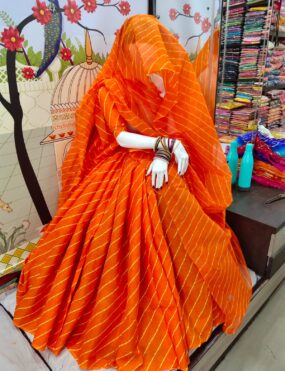
Leheriya comes from the word leher, meaning wave. True to its name, it features diagonal stripes in vibrant shades. This print symbolizes the monsoon season and is especially worn during Teej and Raksha Bandhan.
-
Colors: Multi-colored stripes on a single-color base
-
Techniques: Resist dyeing using rolled fabric
-
Mood: Joyful, festive, playful
Leheriya is lightweight, breezy, and perfect for Rajasthan’s hot weather. It’s often seen in poshaks worn by both young girls and married women during celebrations.
3. Sanganeri Print – Flowers and Finesse
Originating from the town of Sanganer near Jaipur, this print is known for its delicate floral patterns. Unlike Bandhej and Leheriya, Sanganeri prints are created using block printing with wooden stamps.
-
Designs: Mughal-style florals, vines, and fine outlines
-
Color palette: Often pastel with bold ink prints
-
Occasions: Casual wear, pujas, daytime functions
Sanganeri prints add elegance and a soft charm to poshaks, making them a popular choice for everyday traditional wear.
4. Bagru Print – Earthy and Royal
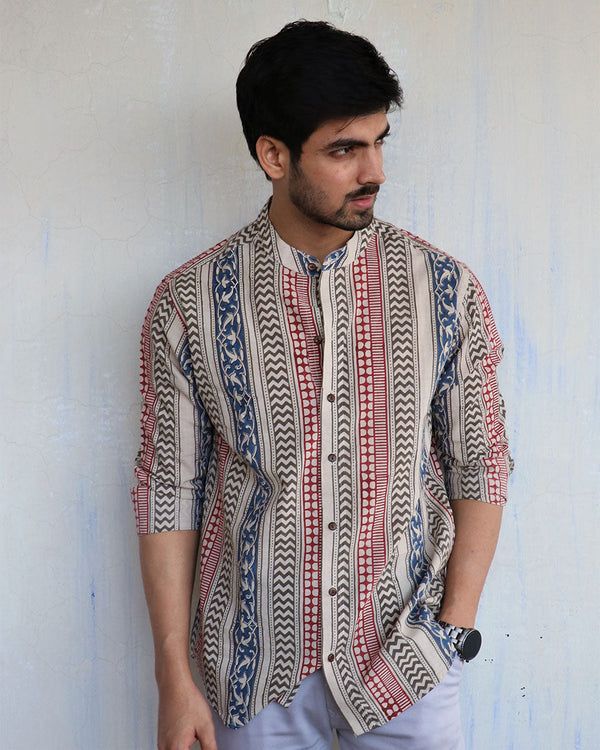
Hailing from the town of Bagru, this print uses natural dyes and motifs inspired by nature—like leaves, birds, and geometric shapes.
-
Technique: Hand block printing with wooden blocks
-
Colors: Indigo, black, brown, red (from natural sources)
-
Vibe: Organic, rustic, traditional
Bagru print poshaks often feature on cotton and mulmul, offering a breathable yet deeply cultural look.
What Makes These Prints Truly Unique?
1. Handcrafted with Love and Skill
Unlike mass-produced fabrics, most traditional Rajasthani prints are handmade. Whether it’s tie-dyeing for Bandhej or wood-block printing in Bagru, every piece involves hours sometimes days of manual labor.
That little imperfection in the print? It’s not a flaw—it’s a fingerprint of the artisan.
2. Regional Identity and Diversity
Different parts of Rajasthan have developed their own take on poshak prints:
-
Marwar prefers bold reds and deep maroons in Bandhej.
-
Shekhawati is known for bright, contrasting hues in Leheriya.
-
Mewar leans toward elegant floral Sanganeri styles.
This diversity gives Rajasthani prints a dynamic edge each region tells a different story through fabric.
3. Symbolism in Every Stitch
Rajasthani poshak prints are often chosen not just for beauty, but meaning:
-
Red Bandhej: Used in bridal wear, symbolizing love and prosperity.
-
Green Leheriya: Worn during Teej, representing fertility and nature.
-
Black Bagru: Worn by older women or widows, indicating simplicity.
These symbolic choices keep cultural stories alive—one print at a time.
4. Techniques Passed Down Through Generations
Families of artisans have kept the tradition of printing alive for centuries. These techniques are not found in textbooks but are taught from father to son, mother to daughter.
This oral and visual tradition gives authenticity to every Rajasthani print—something machines can’t replicate.
Prints in Modern Fashion: Fusion and Revival
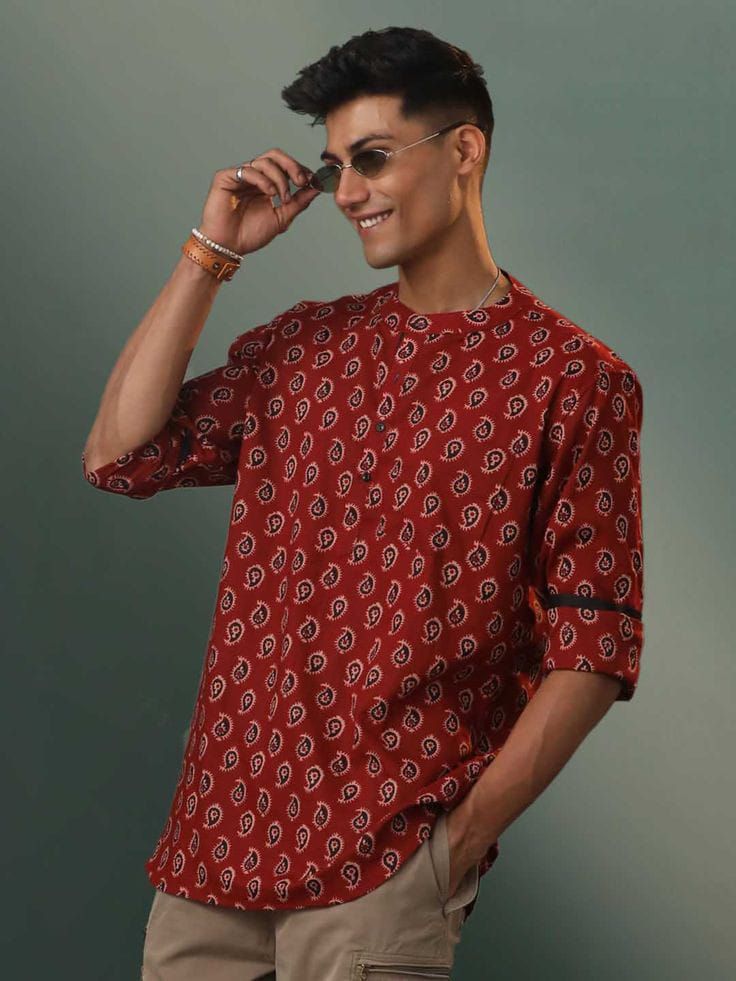
While traditionally used in ghagras, odhnis, angarkhas, and safas, Rajasthani prints have found a place in modern wardrobes too. You’ll now see:
-
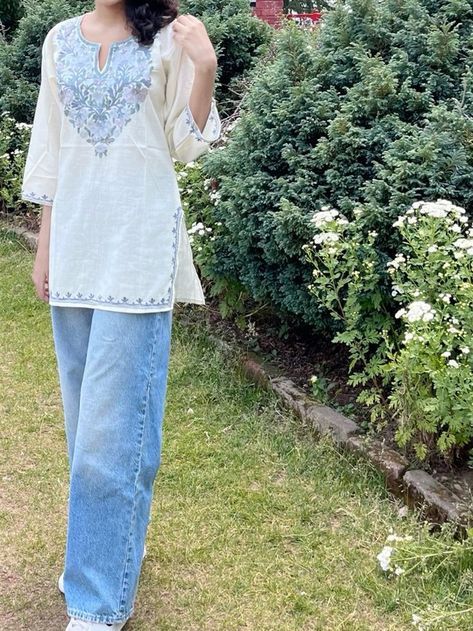
Bandhej print dresses and kurta sets
-
Leheriya sarees and scarves
-
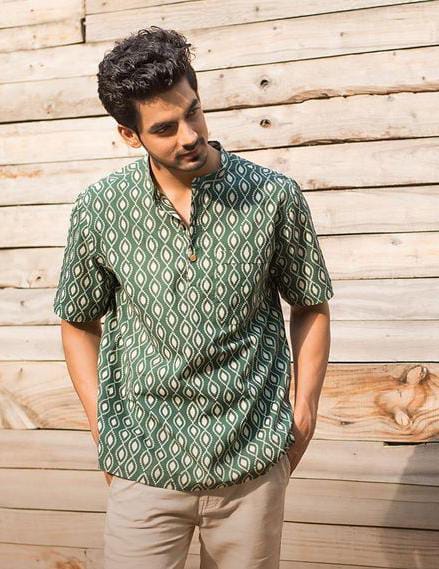
Bagru print shirts, skirts, and even blazers
This fusion of old and new keeps the art alive and introduces it to a new generation that wants both tradition and trend.
Cultural Significance Beyond the Fabric
Wearing a Rajasthani printed poshak isn’t just about fashion—it’s an emotional and social experience.
-
Wedding ceremonies: Brides often wear red Bandhej or lehengas with Leheriya dupattas as blessings.
-
Festivals: Women wear Leheriya sarees and dupattas during Teej and Gangaur.
-
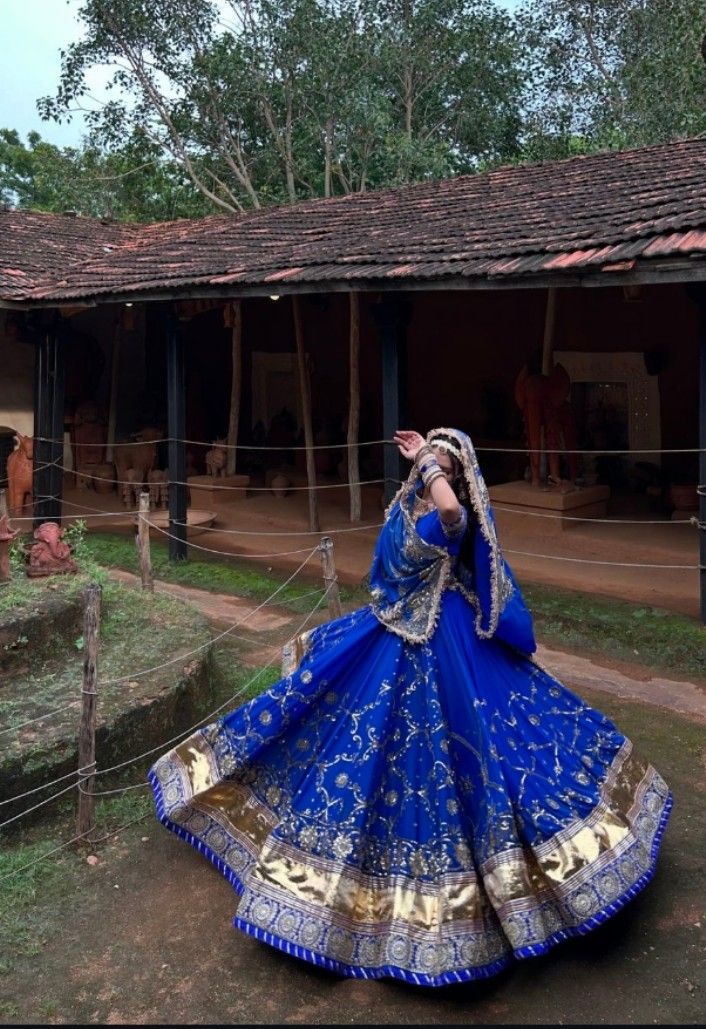
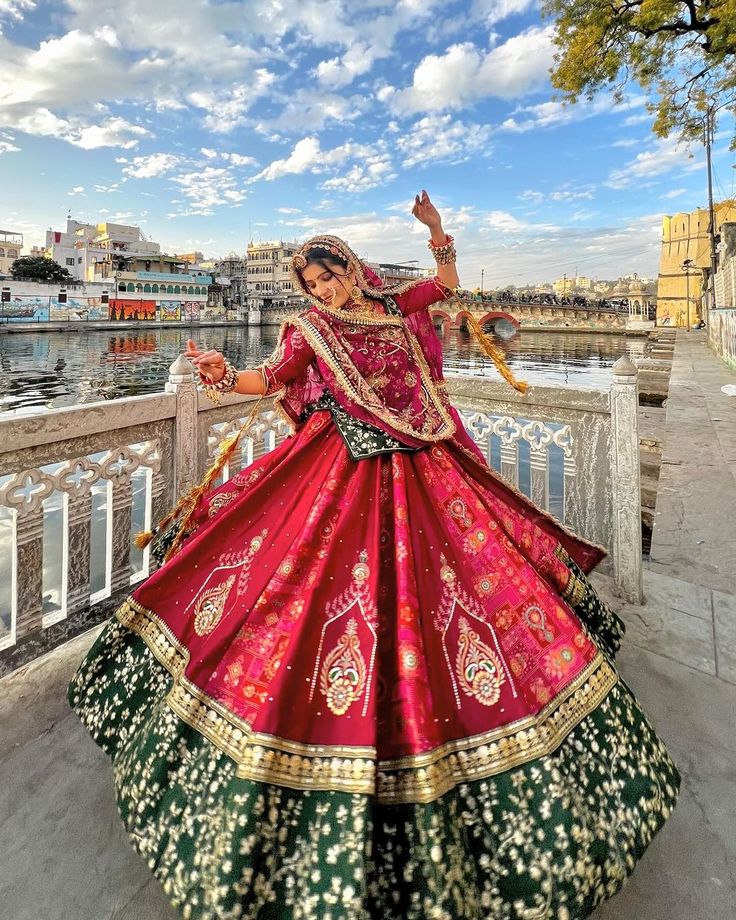
Dance performances: Folk dancers in Kalbelia or Ghoomar performances often dress in bright prints that enhance their movements.
In every setting, the print is part of the celebration.
Preserving This Living Heritage
Today, organizations and fashion brands are making efforts to:
-
Train new artisans in traditional printing
-
Promote sustainable fabrics with old-world charm
-
Document rare techniques to ensure they’re not lost
Tourists visiting Rajasthan often purchase Bandhej scarves or Leheriya skirts as souvenirs—bringing a piece of desert culture into their everyday life.
And with the rise of heritage fashion, more people are choosing handmade over factory-made, valuing story over speed.
Final Thoughts: Why These Prints Still Matter
Rajasthani poshak prints are more than just patterns they’re visual poetry, historical records, and emblems of identity. Their uniqueness comes from the people who make them, the meanings they carry, and the emotions they evoke.
Whether you wear a Bandhej dupatta, a Leheriya kurti, or a Bagru print jacket, you’re not just dressing up—you’re becoming part of a cultural narrative that’s been alive for centuries.
So next time you see a splash of color on someone’s outfit and recognize those iconic dots, waves, or blocks—know that you’re looking at a masterpiece born in the golden heart of Rajasthan.